What Just Rotaries Wreckers Means for the Mazda Rotary Community
If you have owned a Mazda with a rotary engine for more than a few years, you have probably been through the cycle. You find a car, you love the way it pulls to eight thousand rpm, and then something breaks. It might be a blown apex seal. It might be a dead oil injection line. It might be that your radiator finally gave out after a hot summer in Melbourne traffic. At that point you start looking for parts, and you quickly learn that the local dealer stopped stocking most of them a decade ago. That is when you start searching for a wrecker who actually knows the Wankel.
Finding a source for used rotary parts really is not the same as finding parts for a piston engine. A piston engine has a block, a head, a crank. The parts are standardised across years and models. A rotary engine is more like a puzzle. The rotor housings, the end plates, the rotor itself - they all need to be matched carefully. A mismatched housing can kill a rebuild before it even starts. That is why the idea of a specialist operation, which is exactly what just rotaries wreckers represents, matters so much to anyone who keeps an RX-7 or an RX-8 on the road.
The Difference Between a General Wrecker and a Rotary Specialist
A general wrecker will pull a part, clean it, and sell it by part number. They do not know that an RX-7 centre housing from an early Series 2 will not bolt straight into a Series 4 block without some work. They do not know that the exhaust manifold from a 1986 model has a different bolt pattern than the 1987 revision. They see a manifold, they list it, and they let the buyer figure out the rest. That approach can cost you time and money, especially if you are chasing a turbocharger setup or trying to fit an intercooler from a different model year.
A specialist who operates as just rotaries wreckers does the opposite. They break the cars themselves. They know which V-cone intake setup came from the factory and which one was an aftermarket fit. They can tell you whether the spark plugs from a late-model RX-8 will work in an older 13B. They understand that a carburettor conversion on a rotary behaves differently than on a piston engine because of the way the Wankel draws air through the intake port. That kind of knowledge is hard to find, and it is exactly what keeps an old Eunos on the road instead of sitting in a shed with a half-finished project.
Why Used Parts Still Matter in a Modern World
There is a common assumption that aftermarket parts have replaced the need for used originals. In some ways that is true. You can buy a new radiator, a new intercooler, a new turbocharger from a handful of suppliers. But the reality is that many of those aftermarket parts are designed for high-performance builds. They are not always the right choice for a car that you want to keep stock, or for a car that needs a simple replacement without a full custom setup.
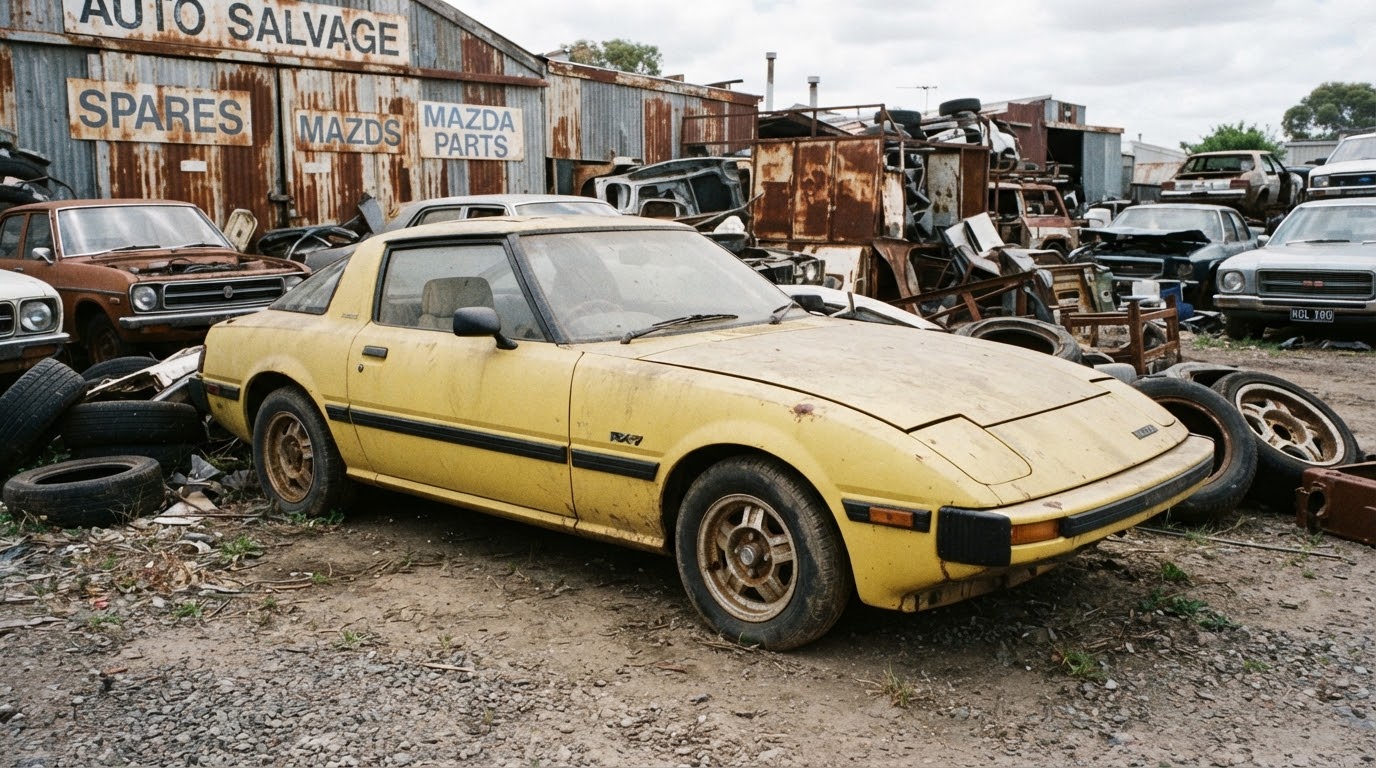
Used OEM parts still have a place, especially when you are dealing with engine internals. A rotor housing that has been properly stored and inspected can outlast a cheap aftermarket casting. The same goes for the exhaust manifold and the oil injection components. Mazda designed those parts to a specific tolerance, and when you find a good used set from a wrecked car, you are getting parts that already survived years of service. That is a better bet than an unknown brand part from an overseas supplier with no quality control.
The other thing that people forget is that some parts are simply not made anymore. The early RE Amemiya intake manifolds, the specific V-cone adapters for the 13B-REW, the original oil injection lines for the Series 3 - all of those are gone from the new-part market. If you want them, you either find them through a specialist wrecker or you do without. That is where the connection to a place like Melbourne becomes important. Melbourne has a strong rotary history. The climate and the roads here mean that a lot of Japanese imports ended up in local hands, and a lot of those cars have been stripped for parts over the years.
The Practical Side of Buying Rotary Parts
When you call a specialist operation that operates as just rotaries wreckers, you are not just buying a part. You are buying information. You want to know if that RX-7 turbocharger came from a car that ran high boost. You want to know if the radiator has been pressure tested. You want to know if the intercooler has any internal blockages. A good wrecker can answer those questions because they pulled the part themselves. They can tell you whether the exhaust manifold has any cracks near the flange, or whether the spark plugs in the engine were carboned up from a bad tune.
That is the kind of detail that saves you from buying a part that looks good in a photo but turns out to be useless. I have seen people buy a carburettor from a general wrecker, bolt it onto a 13B, and then spend weeks fighting jetting issues because the carb was set up for a different atmospheric pressure. A specialist would have flagged that before the sale. They would have asked what elevation you are at, what intake manifold you are using, and whether you plan to dyno tune the car afterwards.
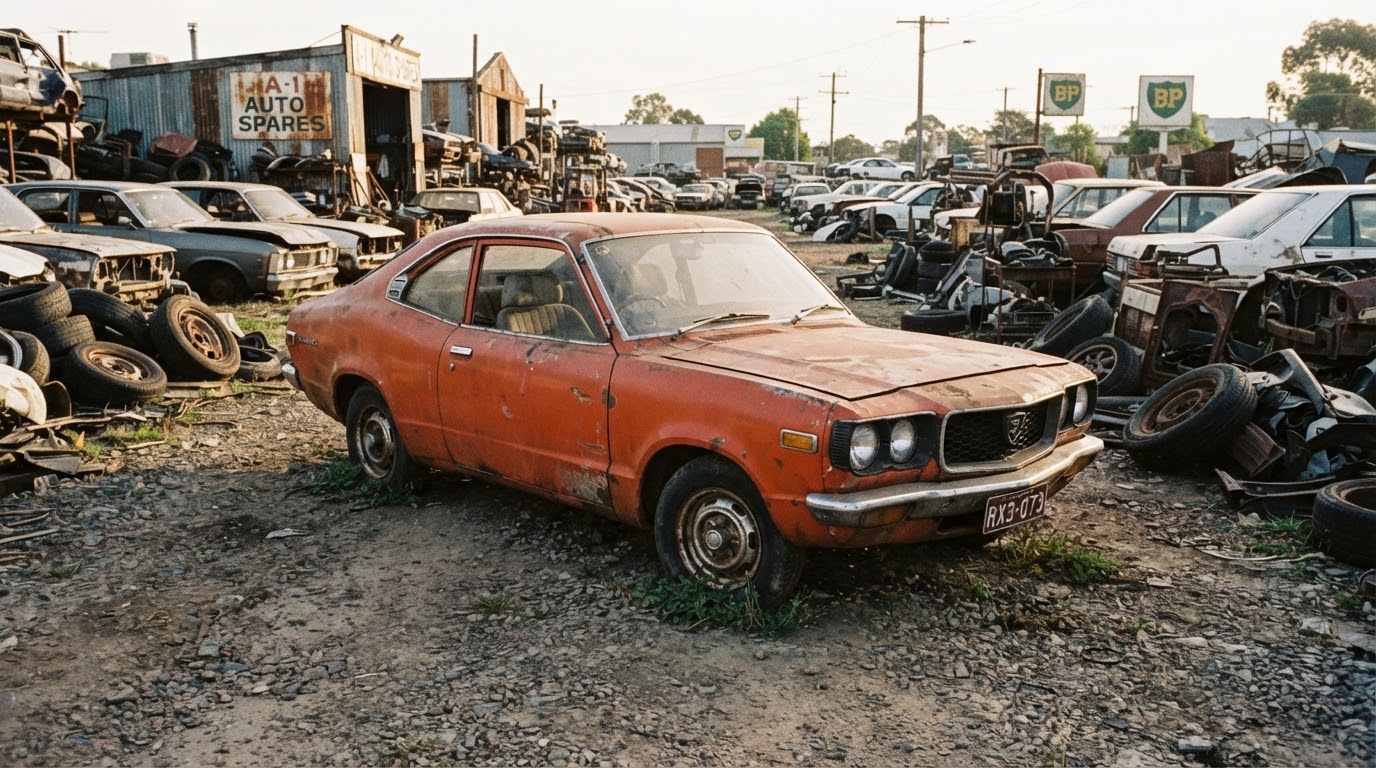
Dyno tuning is another area where the relationship between the buyer and the wrecker matters. If you are building a high-performance rotary, you are going to spend time on a dyno tuning the mixture and the spark timing. That process eats through parts. You might blow a seal. You might crack a housing. You need a source that can get you a replacement rotor housing quickly, without waiting for a shipment from Japan. A local specialist like just rotaries wreckers can do that because they have the stock on hand.
The Connection to Hiroshima and the Global Rotary Community
The rotary engine comes from Hiroshima. That is where Mazda built the 13B and the 20B and where the RE Amemiya shop still builds some of the most aggressive race engines in the world. There is a direct line from the factory floor in Hiroshima to the parts that end up in a wrecker yard in Melbourne. The cars were designed there, built there, and then shipped all over the world. When they reach the end of their life, the parts come back into circulation through specialists.
That global flow of parts is what keeps the rotary scene alive. You can find a Eunos in New Zealand, an RX-7 in the United States, an RX-8 in Europe, and they all share the same basic architecture. A Wankel engine from a 1991 car will share core components with a 2004 car. The oil injection system changed over the years, but the fundamental principle of injecting oil into the combustion chamber to lubricate the apex seals stayed the same. The spark plugs changed from a standard reach to a different thread pattern, but the ignition timing principles are the same.
The point is that the rotary community is small enough that everyone knows everyone. If you are in Melbourne and you need a part, you call a local specialist. You do not mess around with international shipping and uncertain quality. You pick up the phone and you talk to someone who has been pulling rotaries apart for years. That is the value of a specialist wrecker. That is the value of a place that treats every RX-7 and RX-8 as a piece of mechanical history rather than just a scrap car.
Final Thoughts on Keeping a Rotary Alive
Owning a Mazda rotary is a commitment. It is not like owning a piston engine car where you can walk into any parts store and get a replacement. You have to accept that you will spend time searching for parts, that you will sometimes wait weeks for the right housing to come up, and that you will pay a premium for quality. But that is also what makes the car special. When you finally get that RX-7 running right, when you take it to the track and it pulls cleanly through the rev range, you forget about the hassle.
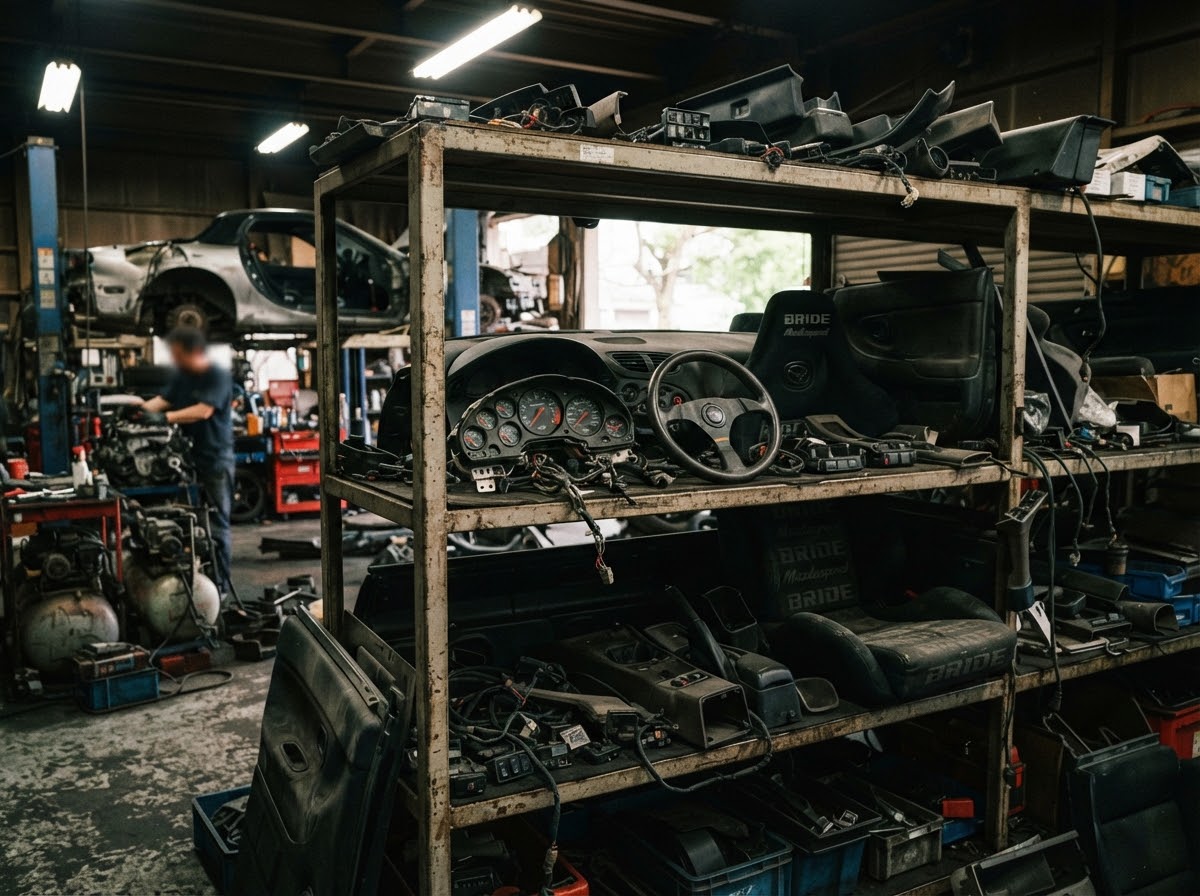
The key is to find a good source of parts before you need them. Establish a relationship. Ask questions. Learn what to look for in a used rotor housing and what to avoid. A specialist operation that works as just rotaries wreckers can be that source. They have the stock, they have the knowledge, and they have the connections to the broader rotary world. Whether you are after a turbocharger for a high-horsepower build or a simple radiator for a daily driver, they can help. And that makes the whole experience of owning a rotary much more enjoyable.